
Meet Laura: Clinical Team Leader for Hospice at Home
“I'm incredibly passionate about palliative care and about making sure people receive the care and support they deserve towards the end of their lives.”
“I'm incredibly passionate about palliative care and about making sure people receive the care and support they deserve towards the end of their lives.”
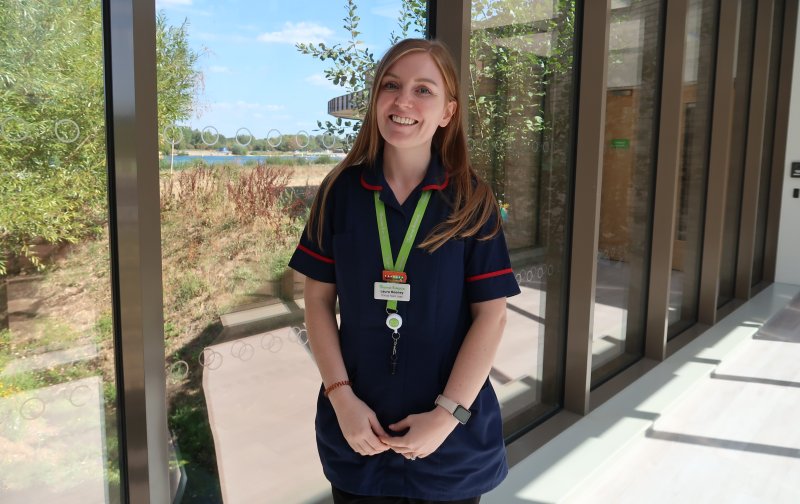
Laura, Clinical Team Leader for Hospice at Home, shares what it means to support patients and their families at home, why palliative care matters to her, and why we shouldn’t leave hospice care to chance.
Laura has been a nurse for 14 years, spending at least 10 of those years working in oncology. Today, as Clinical Team Leader for Hospice at Home, she supports the wider team and helps the service run smoothly.
“As Clinical Team Leader, I look after the day-to-day running of the team, supporting staff with clinical decision-making and any challenges that arise. A big part of my role is making sure the team feels supported and that, ultimately, we're providing the best possible care for our patients and their families.”
Her years in oncology, alongside her own personal experiences of palliative care, have shaped how passionately she feels about supporting people towards the end of their lives.
“I always say that when you're born, you have a midwife who helps you into life, and when you die, you should have somebody there to help you out of it as well. Just because somebody is dying doesn't mean they matter any less. If anything, that is when making sure they feel heard, cared for and supported matters most.”
A team that looks after each other
One of the things Laura values most about Hospice at Home is the team around her.
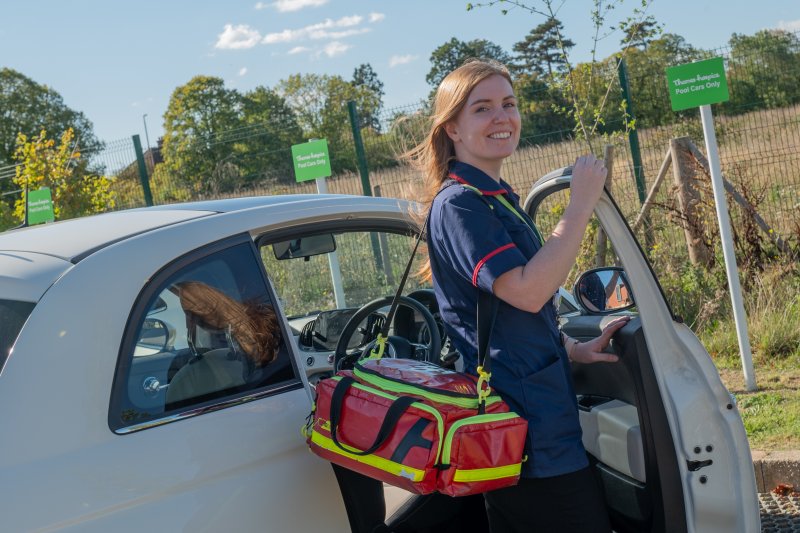
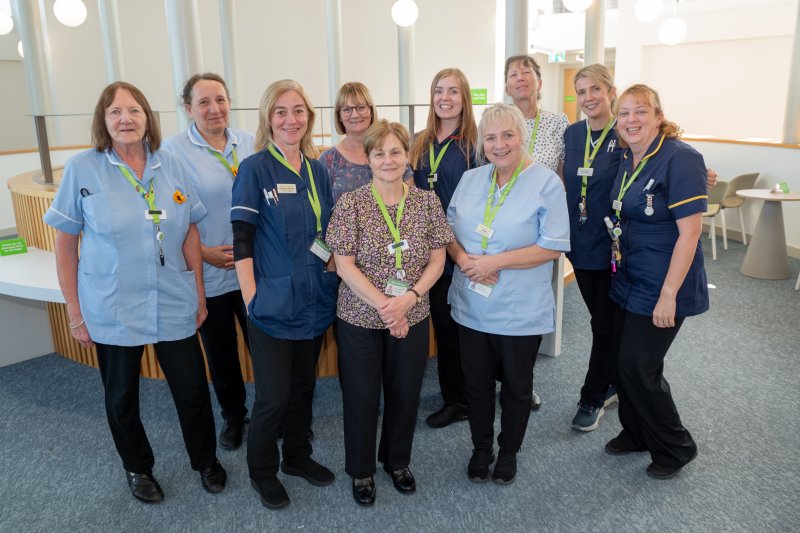
“I can hand on heart say that we have one of the best teams I've ever worked with. Everyone is incredibly compassionate and we're a very emotive team. We can cry together, laugh together and have silly jokes together, but underneath all of that we genuinely care for and support each other. And at the centre of everything we do is the patient and making sure they receive the best care we can give them.”
That support is particularly important when staff are regularly dealing with emotional situations.
“We're very good at looking out for each other and checking in, particularly after something difficult. Our huddles and MDTs give us a safe space to talk, share how we're feeling and discuss our patients together. It means we're supporting each other as a team, but also making sure our patients are getting the right care and that we're all working together to provide it.”
Hospice care doesn’t mean dying immediately
Laura knows that the words ‘hospice’ and ‘palliative care’ can be frightening.
“The words ‘hospice’ and ‘palliative care’ can understandably be really frightening, and I think people often hear them and immediately think that somebody is dying. But palliative care doesn't necessarily mean that you're dying immediately. It's about supporting you to live as well as possible, for as long as possible, with the right care around you.”
Palliative care can begin when somebody is living with a life-limiting condition. The focus is on managing symptoms, improving quality of life and helping people spend their time doing what matters to them.
“As somebody's needs change, we can also support them with conversations about what matters most to them towards the end of their life. We want to understand what's important to that individual – whether they want to be at home or in the hospice, who they want around them, or even if what matters to them is being at home with their dog sitting on their lap. Those individual things really matter.”
Supporting people to remain at home
For patients who want to remain at home, building a relationship and understanding what matters to them is at the heart of the service.
“One of the most important things for us is building a relationship with somebody first. Particularly when we're coming into someone's home, we're entering their space at what can be an incredibly vulnerable time, so building trust and rapport is really important.”
For some people, conversations about where they want to spend the end of their life happen immediately. For others, they take time.
“Some people know exactly what they want and will tell you straight away, ‘I want to die at home.’ For other people, those conversations take time. We might spend weeks or months building that relationship before they're ready to talk about what they want, and that's absolutely okay. We work at their pace.”
The support provided is different for every patient and family.
“The support we provide is different for every person. It might be helping to manage someone's symptoms, having difficult conversations about what they want towards the end of their life, or supporting a family to understand what is happening. Sometimes it's simply sitting with somebody and helping them through a conversation they never imagined they would have to have.”
For many people, home provides familiarity, comfort and safety.
“For a lot of people, home is their safe place. It's where they're comfortable, surrounded by the people and things that matter to them. If being at home is what's important to somebody, we want to do everything we can to support them to live as well as possible there.”
Supporting the whole family
Hospice at Home care extends beyond the patient to their families and carers. The team can also connect people with counselling and pastoral support.
“Our support isn't only for the patient; it's for their family and the people caring for them too. We have counselling and pastoral support available, so there are people they can talk to and additional support we can connect them with when they need it.”
Sometimes, support can be as simple as knowing that someone is at the end of the phone.
“I say this to patients and families all the time: if you're awake in the middle of the night and you're worried, pick up the phone. We're here 24 hours a day. We may be out visiting another patient when you call, but we will always get back to you. Sometimes just knowing that somebody is there at the end of the phone can make such a difference.”
“They do not have to do it alone”
Asked what she would like more people to understand about hospice care, Laura has a simple message: nobody should feel they are facing death alone.
“Dying can be frightening, both for the person themselves and for the people who love them, but they don't have to go through it alone. There are people at the end of the phone, and there are people who can come into their home and support them through it.”
“We can't always fix everything, but we can be there. We can manage symptoms, listen, support families and help people understand what's happening. We want to make what can be an incredibly difficult time as comfortable, dignified and supported as we possibly can.”
It is a commitment that reflects why Laura remains so passionate about palliative care after 14 years in nursing.
“I'm incredibly passionate about palliative care and about making sure people receive the care and support they deserve towards the end of their lives.”