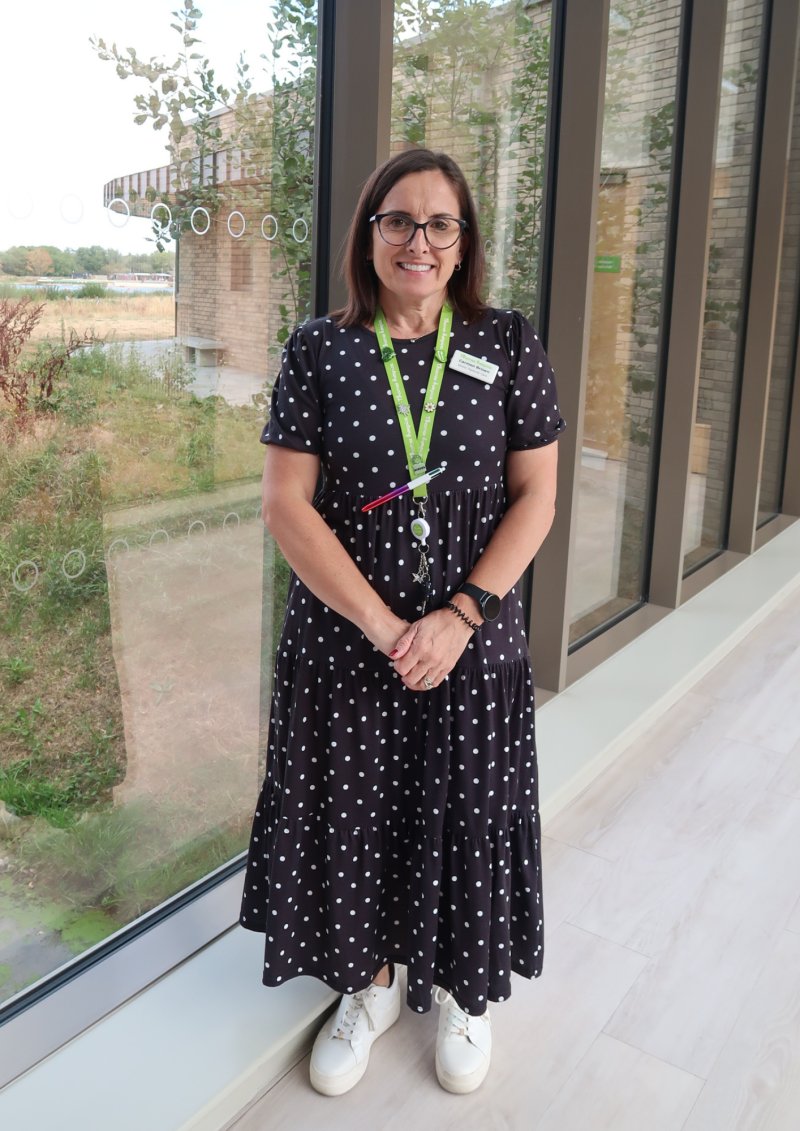
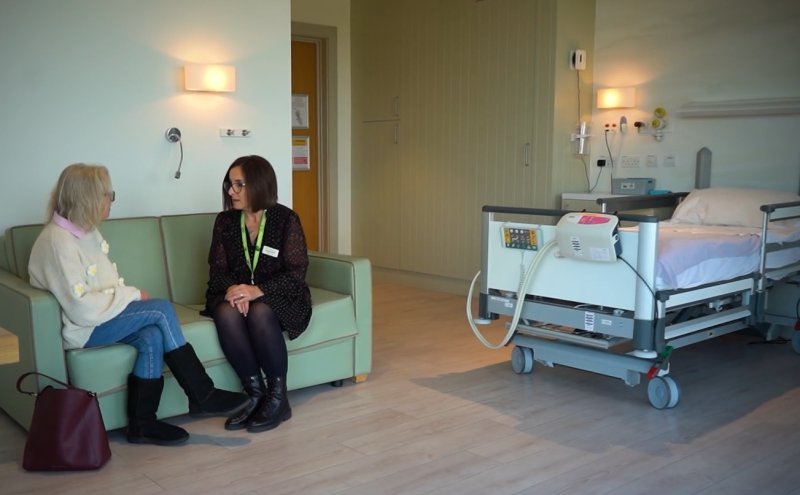
For people experiencing serious illness, and for those closest to them, having someone who is simply there to listen can make an enormous difference. As Senior Pastoral Care Worker, Carmen provides support during what can be one of the most significant and difficult times in a person’s life.
“My role is to provide emotional, psychological and spiritual support to our patients and those close to them, where appropriate. I work alongside people during what can be an incredibly significant and difficult time in their lives, offering a safe and compassionate space for them to talk, reflect and be supported.”
No two days are the same
Carmen’s day often begins with handover meetings and planning, followed by visits to patients on the ward and responding to those who may need additional support. But in pastoral care, there is rarely a typical day.
“No two days are ever the same. A large part of my role is responding to what is happening in the moment and being available to patients and families.”
Before joining Thames Hospice, Carmen worked within a hospital bereavement team. Having seen the care provided by Thames Hospice, she was drawn to its compassionate, person-centred approach.
“I saw what amazing care was being provided and was so impressed. I was drawn to that compassionate, person-centred approach and wanted to be part of a team that supports people and their families at such a significant time in their lives.”
The importance of simply being there
Pastoral care is sometimes misunderstood as being solely about religion or faith. In fact, it is available to everyone, regardless of their faith, beliefs or background.
“My favourite part of the role is simply being with patients and walking alongside them. I feel privileged to be able to offer my time, presence and support, and to accompany people through whatever they may be experiencing.”
Listening is particularly important when somebody is feeling anxious or frightened about death and dying.
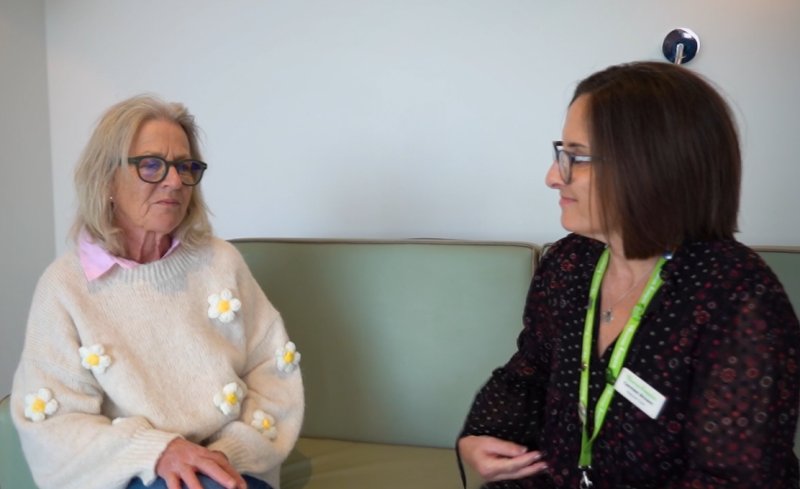
“The most important thing for me is to listen. I offer support and validation, allowing people to express their fears and feelings without judgement. Sometimes people need to talk, and sometimes they simply need someone to sit with them and let them know they’re not alone.”
Following the person’s lead
There is no single way to approach conversations about death, grief and loss. Carmen follows each person’s lead, giving them space to talk when they are ready.
“I follow the patient’s lead. I don’t force conversations. I create a safe space where they can talk about things they find difficult. Everyone’s experience is different, so it’s important to listen and respond to what they need in that moment.”
Trust can develop gradually, sometimes beginning with small conversations about hobbies or interests.