Accessibility
Search

- Our care
- For patients & carers
- Hospice stories
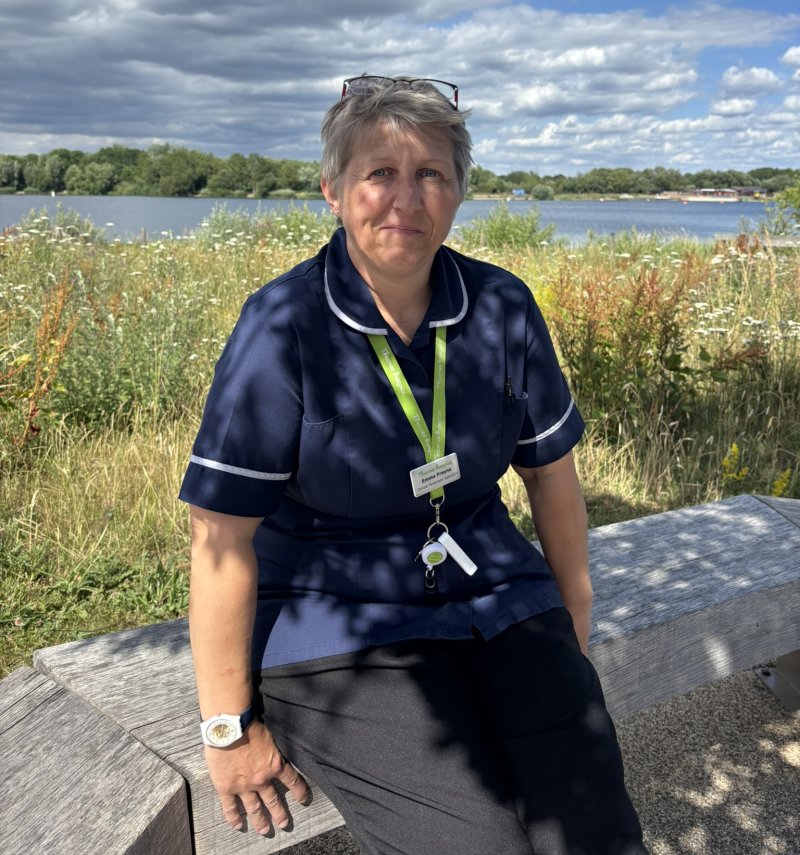
- International Paramedics Day: Meet Emma Freyne, Hospice Response Paramedic
A career dedicated to compassionate care
After spending 16 years on the frontline with South Central Ambulance Service (SCAS), Emma Freyne joined Thames Hospice as a Response Paramedic in September 2024. For Emma, it was the natural next step in a career built around caring for people when they need it most.
"I knew during my last few years working for the ambulance service that I wanted to dedicate the next stage of my career to supporting people receiving palliative and end-of-life care," Emma explains. "When I saw the role at Thames Hospice advertised, it felt like it came at exactly the right time."
Today, Emma is part of the Hospice at Home team, supporting patients and families in the comfort of their own homes. Her role includes symptom management, advance care planning, discussions about treatment and prognosis, and providing compassionate end-of-life care. Every day is centred on helping patients receive the right care, in the place they most want to be.
More than emergency care
Many people associate paramedics with emergency response, but Emma says hospice paramedicine offers a very different perspective.
"We still respond to acute situations in patients' homes, but our focus is always on making sure each person receives the care that's right for them and their wishes."
Some patients need hospital treatment, while others can be safely cared for at home with support from GPs, district nurses or urgent community services. Working closely with nurses and the wider multidisciplinary team allows Emma and her colleagues to provide personalised care while helping many patients avoid unnecessary hospital admissions.
"We all bring different skills and experiences. By working together, we're often able to help people remain in the environment where they feel safest and most comfortable."
Every day is different
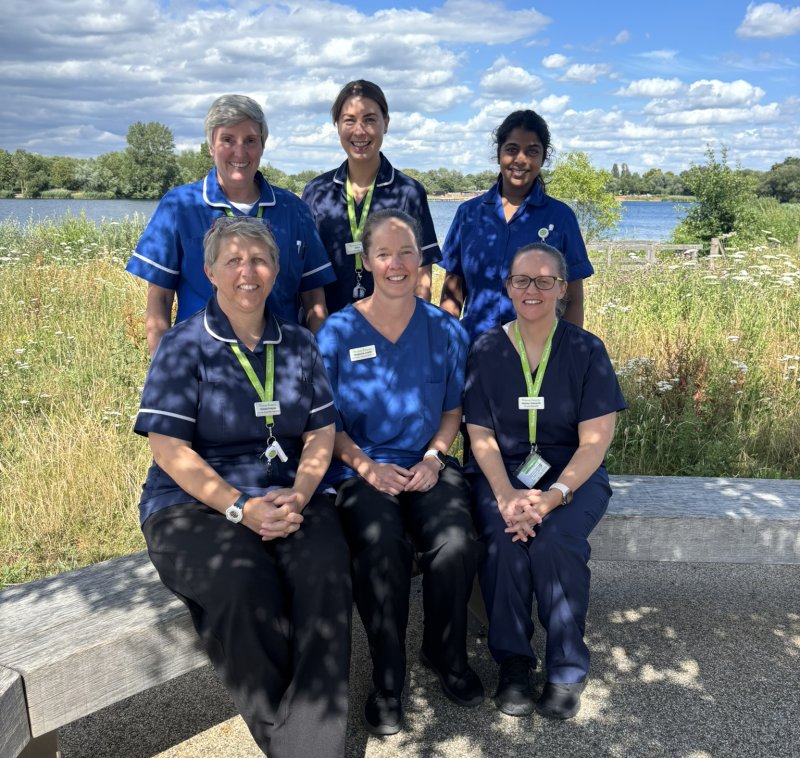
Emma's day starts with a handover from the night team before planned visits are allocated. The community team then meets with hospice consultants, nurses, occupational therapists and other colleagues to discuss patients needing additional support and coordinate care across services.
Alongside planned visits, Emma also responds to calls through the Hospice's 24-hour Single Point of Access service.
"Patients and families contact us for all sorts of reasons, from symptom concerns and medication queries to equipment requests or simply needing reassurance. Sometimes a phone call is enough, while other times we arrange an urgent home visit."
Emma also works closely with GPs, district nursing teams, hospital palliative care teams and the Virtual Ward service to ensure seamless, joined-up care.
The privilege of caring at home
For Emma, one of the most rewarding aspects of the role is supporting patients in their own homes.
"It's incredibly humbling that families welcome you into their home during one of the most vulnerable times of their lives. Helping someone stay surrounded by their family, belongings and familiar surroundings can make such a difference."
Rather than one standout memory, Emma says it's the many small moments that stay with her, helping patients remain at home, supporting families and making even a small difference during an important stage of life.
Looking after yourself while caring for others
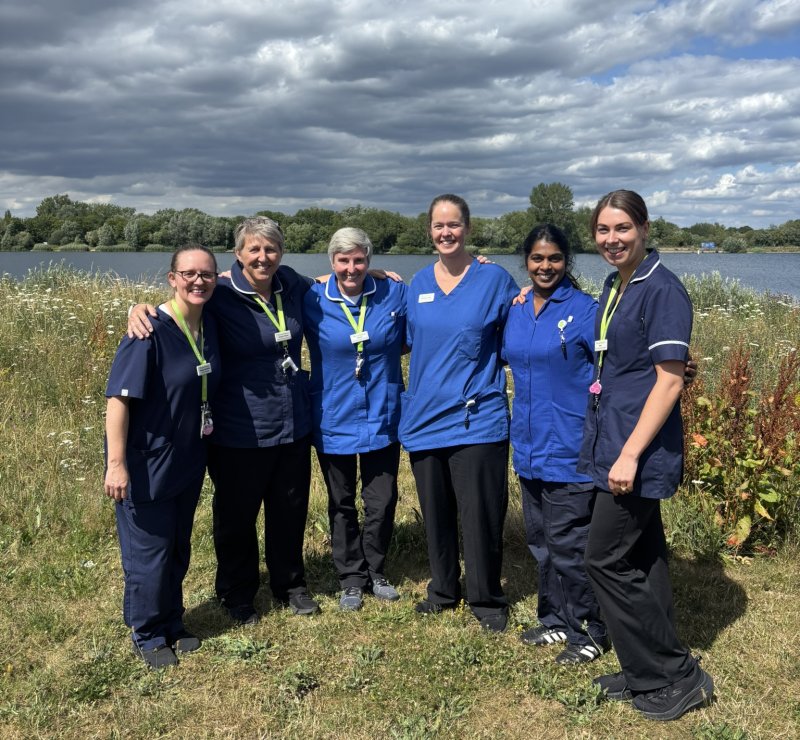
Like frontline ambulance work, hospice care can be emotionally demanding. Emma maintains a healthy work-life balance by spending time with family and friends, caring for her pets, riding her motorcycle and taking holidays.
"I also work fewer hours now than I did on the frontline, and I feel that balance is right for me."
Celebrating hospice paramedics
As International Paramedics Day celebrates the profession, Emma hopes more people will recognise the diverse roles paramedics now play.
"I think paramedics are exceptionally well suited to palliative care because of the broad clinical skills and adaptability we bring."
Reflecting on her career, Emma encourages others to consider palliative care as a speciality.
"The profession has become much more diverse, with opportunities to work in many different community and specialist settings. Palliative care is an incredibly rewarding career where you can combine your clinical skills with compassionate care and make a genuine difference to patients and families."
For Emma, one thing has remained constant throughout her career:
"Whatever setting you're working in, being a paramedic has always been about helping people. In hospice care, you simply have the privilege of supporting people through a different, but equally important, stage of life's journey."