Accessibility
Search

- Our care
- For patients & carers
- Hospice stories
- Conversations that matter

Why talking about future care can make all the difference
Talking about death and dying isn't something most people feel comfortable doing. But for Andrew Haydon, Outpatient and Engagement Manager at Thames Hospice, encouraging these conversations before a crisis happens is one of the most important parts of hospice care.
"We're never sure what our future holds," Andrew says. "If something happened to your loved one tomorrow and they became seriously unwell, would you know what their wishes were?"
Andrew believes advance care planning shouldn't begin only when someone becomes seriously ill.
"I think everyone should have thought about advance care planning," he says. "Having that conversation with your family for five or ten minutes about what you would want if you became really unwell is an important starting point."
Whether it's choosing to be cared for at home, in a hospice, or deciding what treatments you would or wouldn't want, Andrew believes simply starting the conversation can make all the difference.
"It's about breaking that cycle of not talking about death and dying."
Supporting families when they need it most
At Thames Hospice, patients and their loved ones are supported to have these conversations together.
"Sometimes having these conversations with a healthcare professional, away from home where we can explore them, is much easier," Andrew explains.
Every family is different. Some carers want to know everything, while the person they're caring for may not be ready to talk, and sometimes it's the other way around.
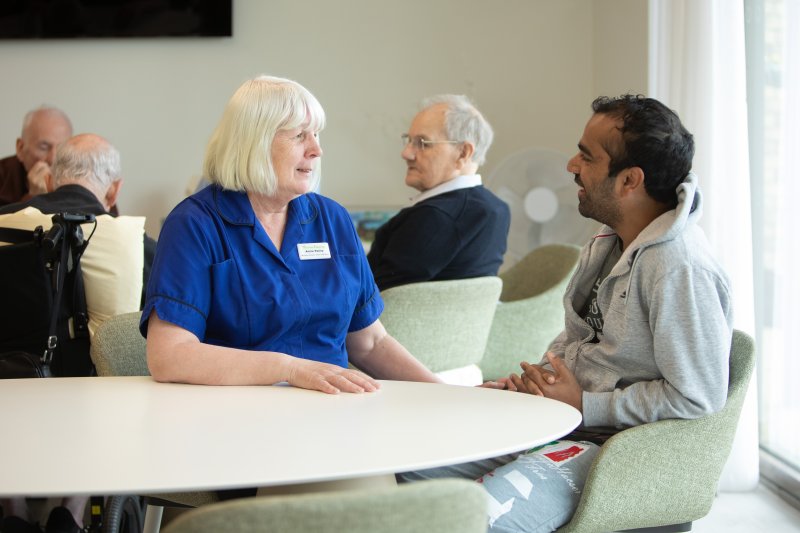
Andrew says conversations often happen naturally through the Hospice’s Outpatient Services, complementary therapies and group activities, where patients and carers find reassurance in talking to others with similar experiences.
Taking the time to build trust
One of the biggest differences hospice care offers is time.
"We've got time to build relationships," Andrew says. "We're not having these conversations in A&E at three o'clock in the morning."
That relationship means conversations can happen gradually.
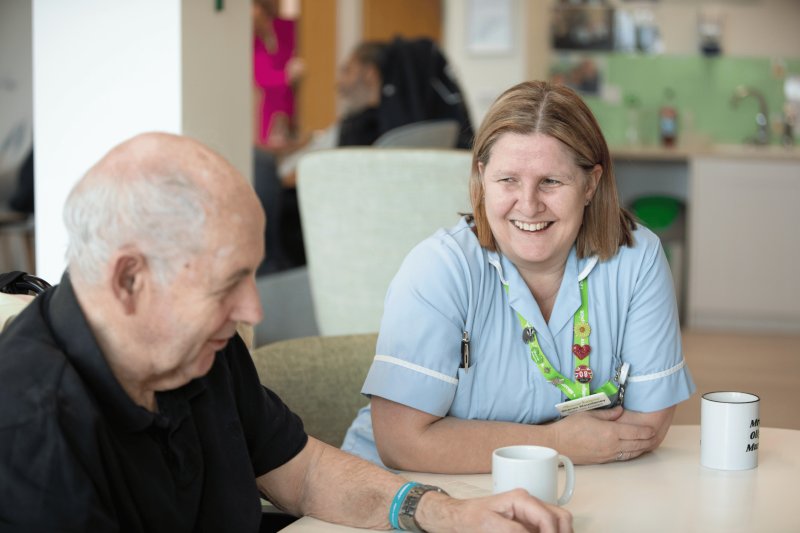
"Sometimes it's a bit of a drip feed. It depends where someone is in their journey. If they're not ready, that's okay, we can revisit it. But if you don't try, those conversations never happen."
A conversation that brought comfort
Andrew recalls supporting a patient who had been reluctant to discuss advance care planning.
Together, they explored what mattered most to him. He wanted to avoid hospital where possible, remain at home for as long as he could and focus on comfort rather than further treatment.
Sadly, he was admitted to hospital later that night and died three days later.
"His wife came back afterwards and said having that conversation helped her come to terms with everything because we'd all talked about it."
More than a resuscitation decision
Andrew says many people misunderstand what a ReSPECT plan is.
"People often think it's only about resuscitation," he explains. "Part of it is about whether CPR would be appropriate, but it's also about recording your wishes, and those wishes can change throughout your journey."
Someone may initially want every possible treatment, but later decide they would rather stay at home, surrounded by loved ones, with their symptoms managed.
"It's a chance to write down what's important to you so your family and healthcare professionals understand your wishes if you're no longer able to tell them yourself."
Giving patients and families a voice
Advance care plans are shared securely with other healthcare professionals, helping everyone involved in a patient's care understand their wishes.
Andrew knows these conversations aren't easy.
"They're difficult conversations, but they're really powerful. They give patients and families a voice."
His message for National Advance Care Planning Day is simple:
"Just be open and honest. It's about thinking ahead. Talking about your future isn't a bad thing. Just start the conversation."